
KNX Applications
Application articles for smart homes, hotels, offices, public buildings, and energy management.
View articlesThe world of smart building automation is evolving rapidly — driven by open standards, intelligent devices, and integrated control platforms. At KNXmart Automation, we share practical insights, project experiences, and system integration knowledge to help engineers, architects, and system integrators build connected, sustainable environments using the KNX standard.
Our blog covers the full ecosystem of KNX-based automation — from lighting, HVAC, and shading control to energy metering and security integration. You’ll learn how KNX enables seamless communication between devices, ensures long-term compatibility, and supports scalable solutions for both residential and commercial applications. Each article combines real-world examples, technical best practices, and trends in building automation that help professionals design smarter and more efficient spaces.
Whether you are deploying KNX touch panels in modern homes, designing energy-optimized offices, or integrating IoT gateways into building management systems, our posts provide actionable guidance and engineering clarity. Topics include device configuration, ETS programming, system topology design, and interoperability with BACnet or Modbus.
Explore the articles below to stay informed about the latest technologies shaping KNX building automation — from AI-driven energy optimization to next-generation user interfaces. Our mission is to empower engineers and system integrators worldwide to create smarter, greener, and more human-centered buildings.
Application articles for smart homes, hotels, offices, public buildings, and energy management.
View articlesDevice-focused guides covering KNX touch panels, actuators, sensors, gateways, and reliability details.
View articlesCore explanations for buyers, engineers, and building owners who need to understand KNX before choosing devices or planning a project.
View articlesIntegration guides for BACnet, Modbus, MQTT, BMS, voice assistants, and secure connected buildings.
View articlesEngineering guides for topology, wiring, group addresses, power supplies, and building-level planning.
View articlesManufacturing and customization articles that show KNXmart device development, testing, certification, and production expertise.
View articlesPractical diagnostic guides for installers and integrators solving real KNX project issues.
View articles
Map each ETS individual address to a real bus line, permanent device label, location and replacement record.

Choose actuator locations by load wiring, service access and failure impact, with a hybrid example for a repeated hotel floor.

Turn a known future fit-out into checks for bus current, cable, electrical cabinet space, outputs and software capacity.

Review surge paths at the building boundary, select protection for each circuit, and record who owns the electrical design and acceptance.

Specify KNX TP cable and calculate the three relevant distances from a real route drawing, including branches, tails, and future extensions.

Choose a room sensor that measures the right air, publishes usable KNX points, and gives the ventilation controller a defined response to missing data.

Specify weather sensing around facade exposure, approved shading limits, fresh data, local priorities, and tested recovery—not just a list of sensor values.
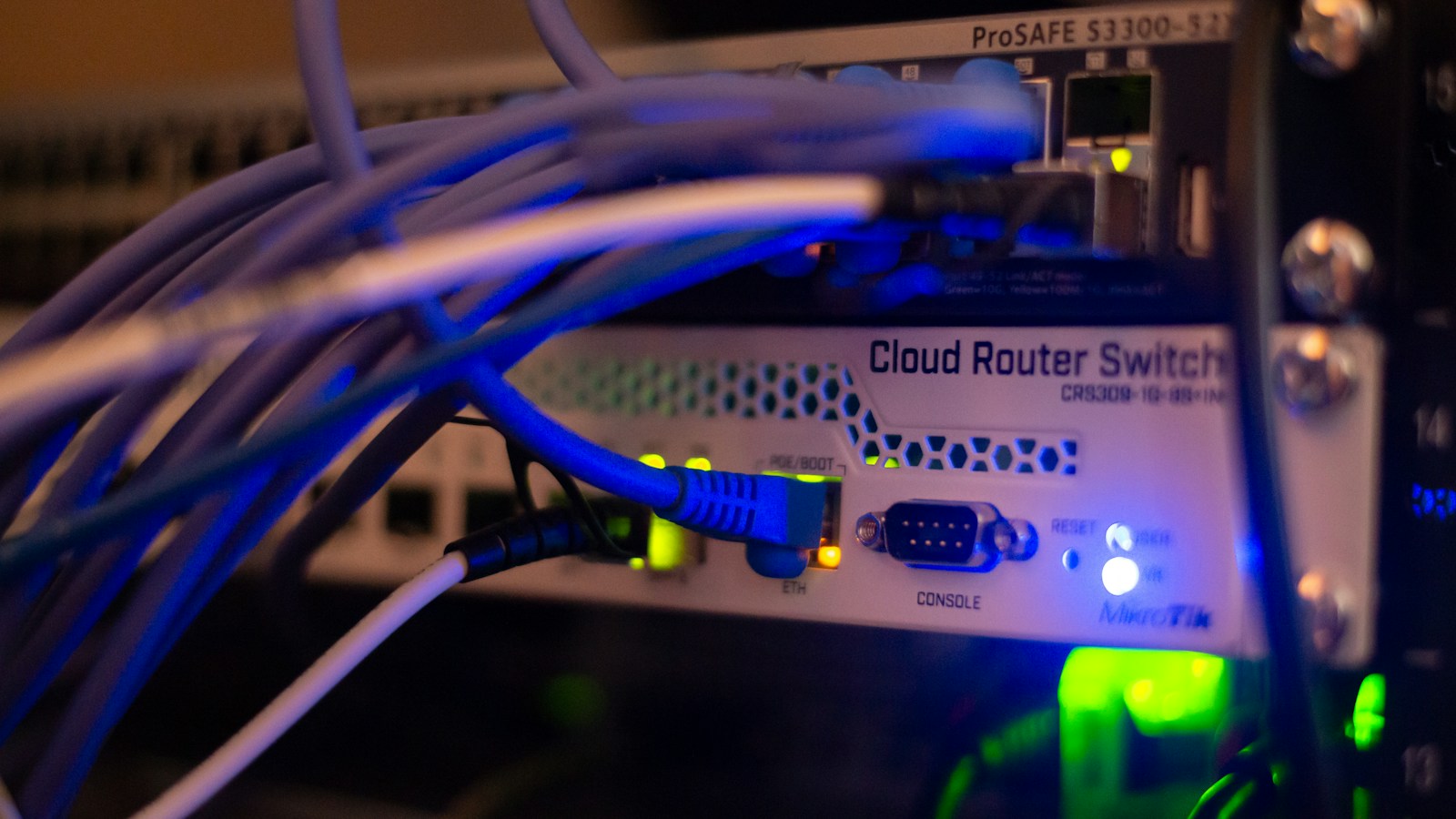
Separate topology role from communication medium, then choose the right coupler or router, address it correctly, and verify cross-line filtering.

Choose wall controls by everyday actions and understandable feedback, with a button schedule, clear scene behavior, night settings, and room mock-up tests.
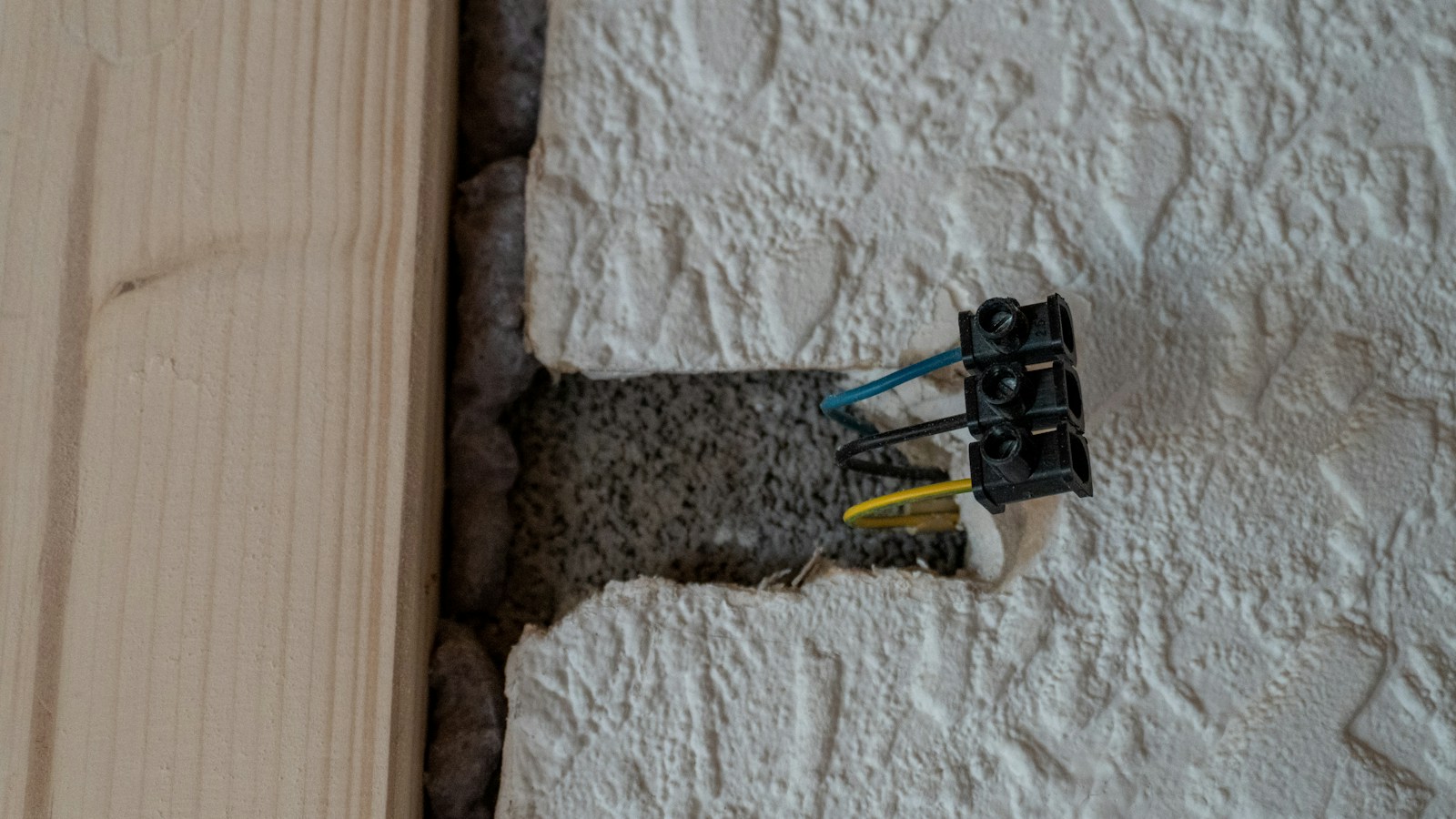
Ignore the product-family name until you have checked the input voltage, contact type, cable limits, channel modes, and required KNX behavior.

Select fan coil control by water circuit, valve interface, fan type, and controller ownership, then test changeover, interlocks, and communication failure.

Match the actuator to the motor interface, count complete drive channels, and specify reversal timing, position estimation, slat control, and weather priorities.

Prepare the identity matrix, artwork, ETS responsibilities, packaging details, and support records that turn an OEM device into a maintainable branded product.

A handover-focused KNX security checklist covering network exposure, Secure communication, credentials, physical access, backups, and maintenance ownership.

Keep KNX charging preferences separate from charger protection, with per-phase current budgets, one allocation owner, supported interfaces, and tested offline limits.

Design a KNX solar integration around measured surplus, clear control ownership, stable load priorities, and practical failure behavior.
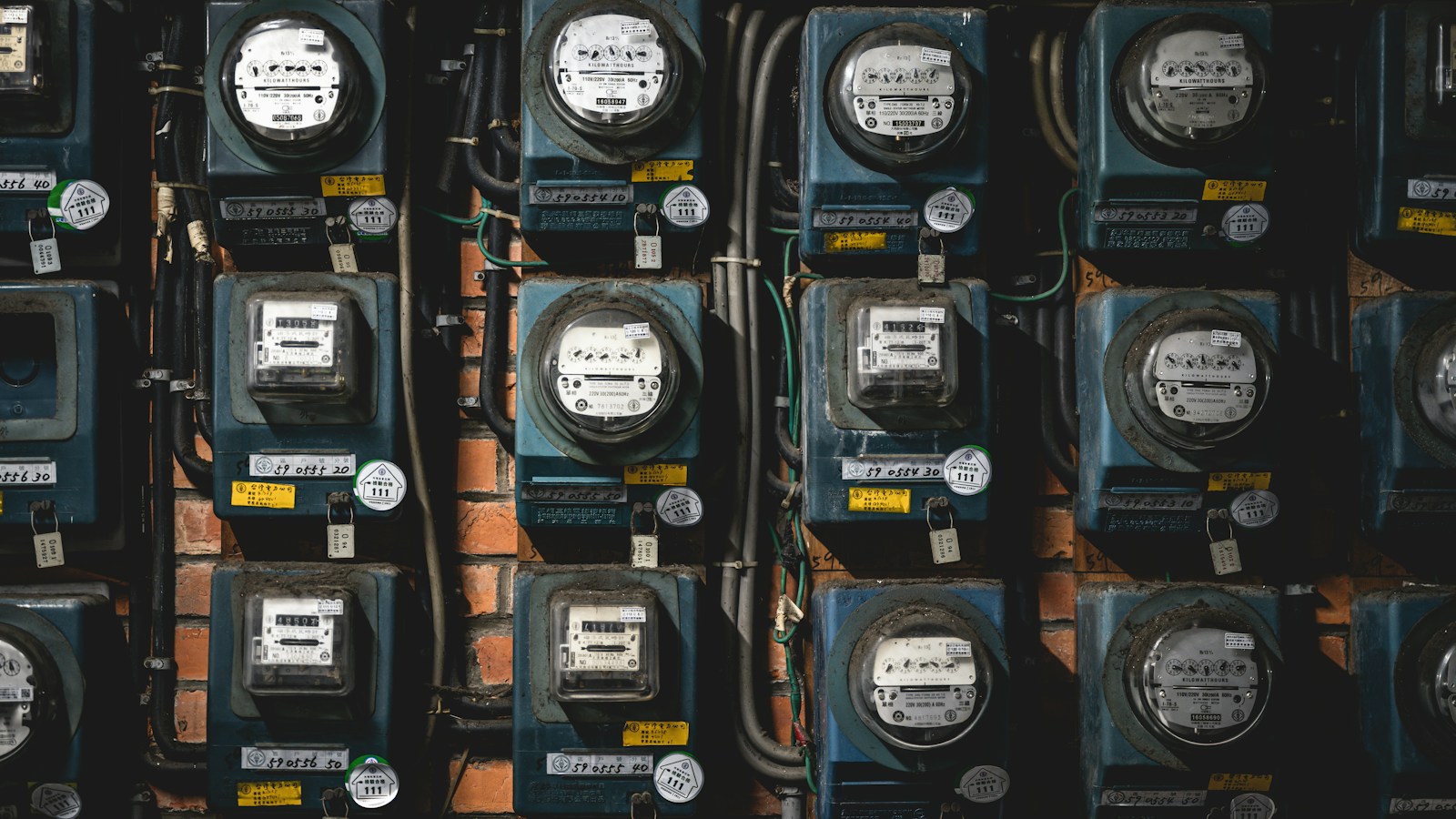
Map meter data into KNX without mixing power and energy, reversing import/export signs, multiplying CT ratios twice, or hiding stale values.
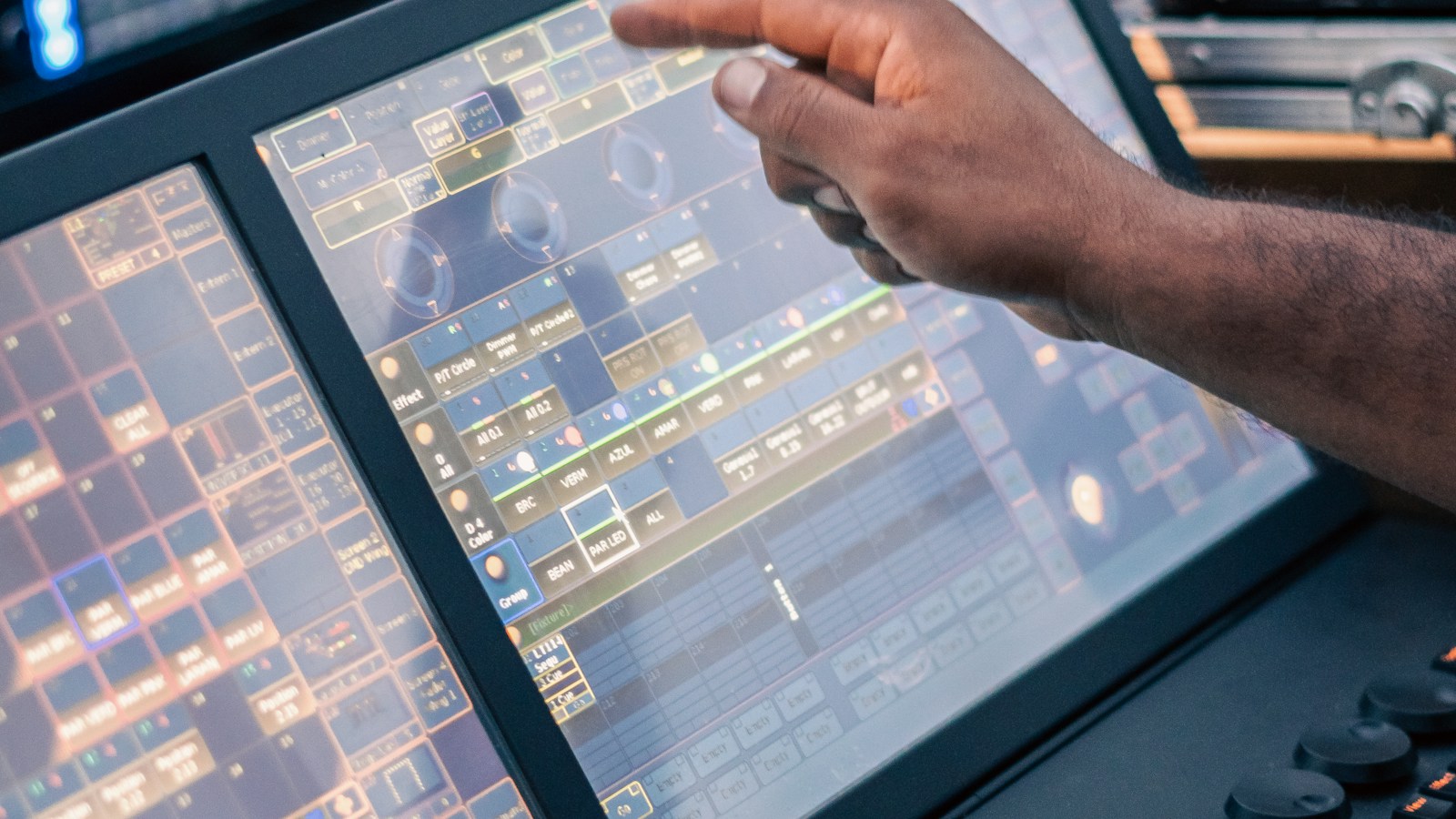
Compare KNX touch panel sizes by actual screen area, viewing distance, daily tasks, mounting constraints, and the cost of keeping the interface simple.
Tell us about your KNX project — whether it’s a smart home, commercial building, or hotel automation system. We design and manufacture KNX-certified devices including actuators, sensors, touch panels, and system gateways for lighting, HVAC, and energy control applications.
Ready to collaborate? Reach out to our team — we’ll provide tailored recommendations for your KNX automation project.